
Dissolution Of Marriage in Kinney County
Kinney County dissolution of marriage records are on file at the District Clerk's office in Brackettville. This small South Texas border county keeps all civil court records, including dissolution of marriage cases, at the courthouse on South Ann Street. If you need to look up a past case, get a certified copy of a Final Decree, or file a new dissolution petition, this is the office you contact. Records go back to 1874. You can visit in person during office hours, call the clerk, or mail your request to the Brackettville address.
Kinney County Overview
Kinney County District Clerk
The District Clerk in Brackettville is the official keeper of all dissolution of marriage records in Kinney County. The office is at 501 S. Ann St. and handles civil court filings including dissolution petitions, decrees, and related case documents. Kinney County is a small rural county near the Texas-Mexico border, southwest of San Antonio.
Because of its small population, the office sees a low volume of dissolution cases. This can make the process more personal and straightforward. There is no county-specific online search system, but the statewide re:SearchTX platform covers Kinney County cases. If you need to visit in person, plan ahead because hours are limited to standard business days. Older records from the late 1800s and early 1900s may require extra search time.
| Office | Kinney County District Clerk |
|---|---|
| Address |
501 S. Ann St. Brackettville, TX 78832 |
| Mailing | P.O. Box 9, Brackettville, TX 78832 |
| Phone | (830) 563-2461 |
| Fax | (830) 563-2650 |
| Hours | Monday through Friday, 8:00 AM to 4:30 PM |
Filing Dissolution of Marriage in Kinney County
Texas residency rules apply to all dissolution filings in Kinney County. Under Texas Family Code Section 6.301, at least one spouse must have lived in Texas for six months and in Kinney County for at least 90 days before filing. This is a firm requirement. The clerk will not accept your petition if you haven't met it.
Once you file, a 60-day waiting period begins under Texas Family Code Section 6.702. The court cannot grant the dissolution until those 60 days pass. Limited exceptions apply when family violence is involved. In simple agreed cases, the final hearing can happen shortly after the waiting period ends. The judge signs the Final Decree of Dissolution, and the clerk records it.
For copy requests, include the full names of both parties and the approximate year of filing. Bring or send a photo ID. Standard Texas copy fees apply. Certified copies cost more than plain ones but are needed for name changes, government applications, and similar legal transactions.
Searching Kinney County Dissolution Cases Online
Kinney County does not have its own online records portal. The statewide re:SearchTX platform is your best option for searching dissolution cases online. This free system from the Texas Office of Court Administration covers courts across Texas and includes Kinney County filings. Search by name or cause number to find basic case data.
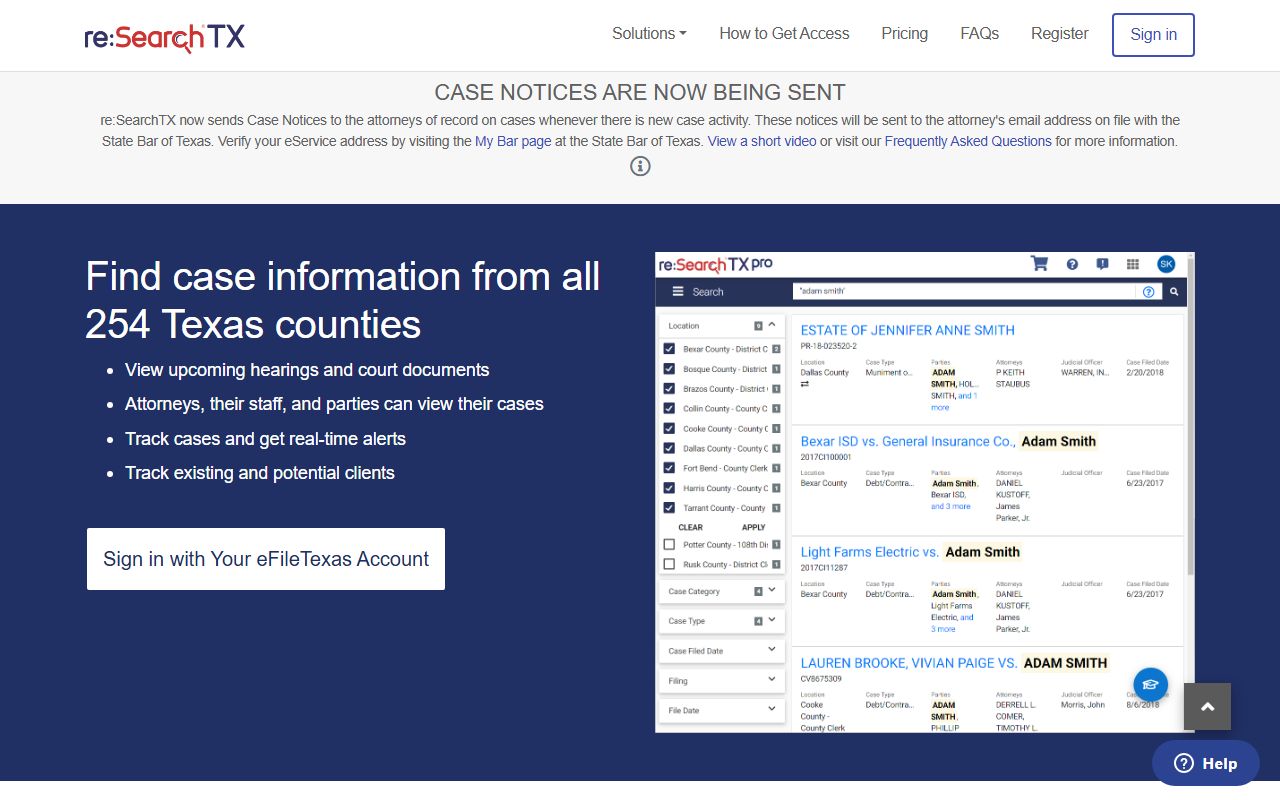
The re:SearchTX platform is the go-to tool for online dissolution case lookups from Kinney County and other Texas courts.
Attorneys filing in Kinney County use eFile Texas for electronic submissions. Self-represented parties can review the Texas Court Help website for guidance on filing without an attorney in small Texas counties like Kinney.
DSHS and Kinney County Dissolution Records
Texas DSHS Vital Statistics keeps a statewide index of dissolution records from all Texas counties. If you're not certain which county handled a dissolution, the DSHS vital statistics page can help you identify the right county. After that, you contact the District Clerk in that county for copies.
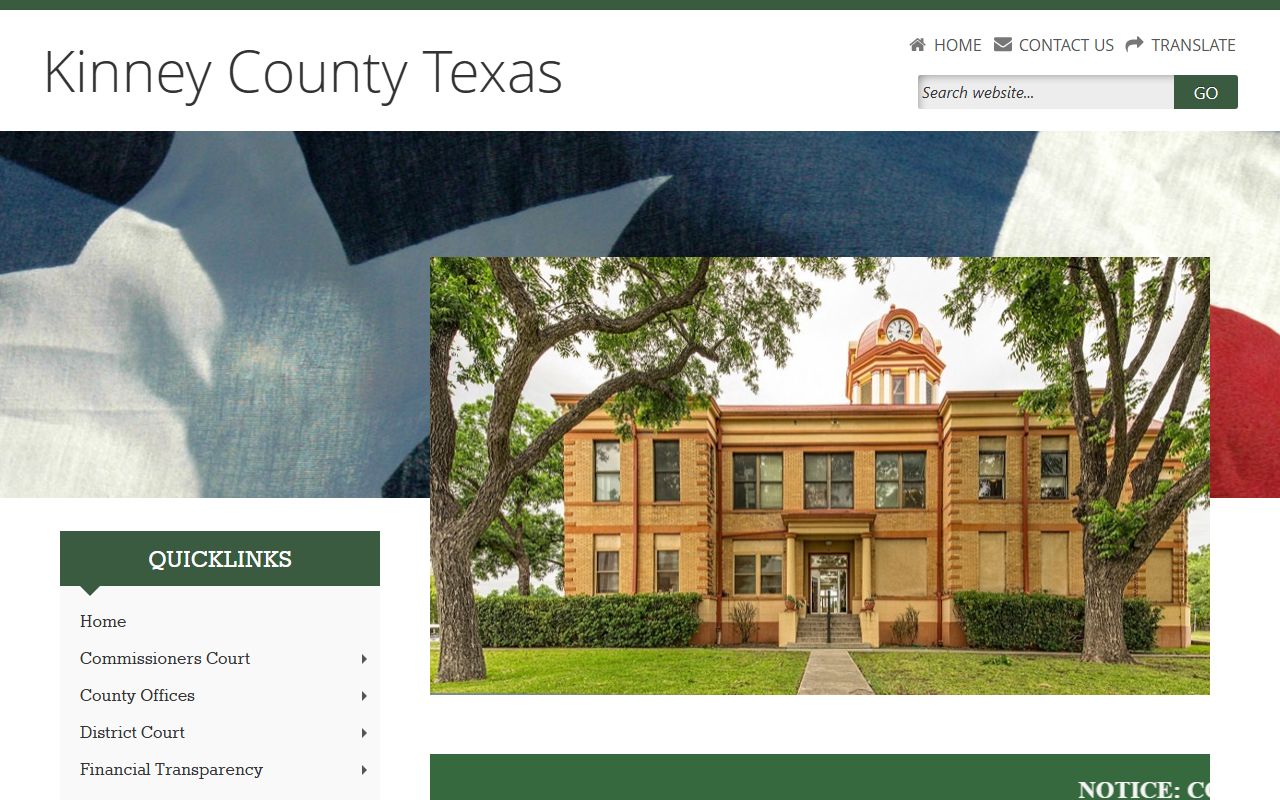
The Kinney County official site and DSHS vital statistics page are both good reference points when starting a dissolution record search for this South Texas county.
Vital records can also be ordered online through the Texas vital records portal. For a certified copy of the court decree, you must request it directly from the Kinney County District Clerk in Brackettville.
Legal Framework for Kinney County Dissolutions
Dissolution of marriage cases in Kinney County are governed by Texas Family Code Chapter 6. Texas follows community property rules. The court divides marital property in a just and right manner. Separate property, which includes assets owned before the marriage and anything received as a gift or inheritance, stays with its owner.
Most filers use insupportability as the ground, under Section 6.001. This no-fault option requires only that the marriage has broken down with no reasonable chance of fixing it. Other grounds like cruelty or adultery require proof. In Kinney County, the low-volume court handles most agreed cases without extensive litigation. If children are involved, the court adds conservatorship and child support orders under Chapters 153 and 154. The Texas State Law Library gives free online access to all relevant statutes. Forms are at txcourts.gov/forms.
Legal Help for Kinney County Residents
Texas RioGrande Legal Aid covers Kinney County and serves low-income residents with civil legal matters including dissolution of marriage. Call (888) 988-9996 or visit trla.org to check eligibility. They serve the Texas-Mexico border region, which includes Brackettville and Kinney County.
For self-help, the TexasLawHelp website has free guides and court forms. The Texas Court Help site has plain-language instructions. The State Bar referral line is (800) 252-9690. You can search for family law attorneys at texasbar.com. San Antonio and Del Rio are the nearest metro areas with a wide range of family law practitioners.
Cities in Kinney County
Kinney County is a small rural county in Southwest Texas. The county seat is Brackettville, which is also the largest community. All dissolution of marriage filings for the county go through the District Clerk's office in Brackettville.
Nearby Counties
These counties border Kinney County. File your dissolution case in the county where you have lived for at least 90 days before your filing date.